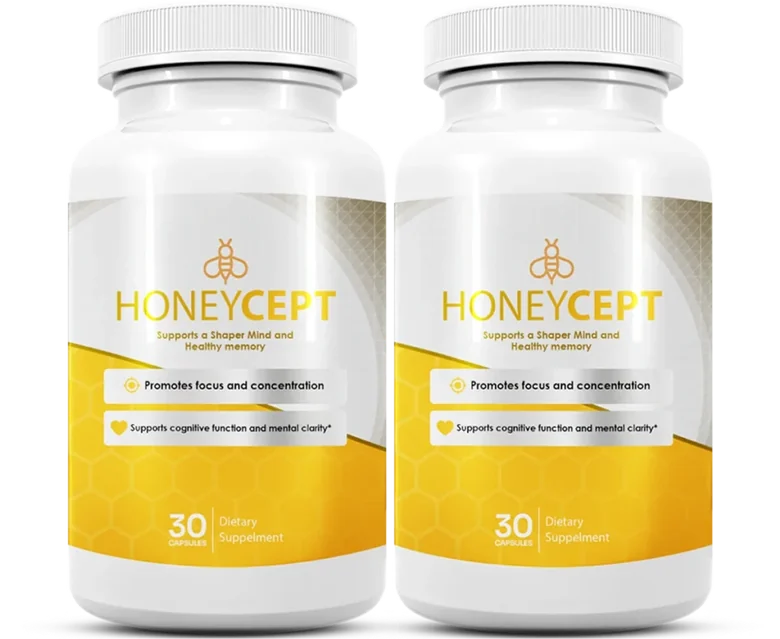
Honeycept is a once-a-day capsule built around three B-vitamins plus a 151 mg blend of seven other compounds — three stimulants, two memory-support botanicals, and Huperzine-A, which carries a real medication interaction worth knowing about.
This page breaks down what we could verify from the label and independent sources, without repeating unconfirmed marketing numbers. Package pricing runs roughly $49 to $79 per bottle depending on size.

Rather than repeat marketing badges at face value, here is what we found when we looked closer.

Stated on brand pages; we treat this as brand-reported, not independently audited.

Claimed on some pages; supplements themselves are never FDA-approved regardless.

A common industry claim we could not personally audit.

Consistent with the ingredient list itself, which we did verify.

Rather than leaning on one headline compound, Honeycept spreads its formula across ten ingredients grouped into three jobs: quick alertness, background nutritional support, and slower-acting memory botanicals.
What matters most for your decision: seven of those ten ingredients share one combined weight figure rather than individual amounts. That includes both the caffeine content and the Huperzine-A content — two things a cautious buyer would probably want to know precisely. Read the full formula writeup or see how the mechanism is supposed to work.
Some of this formula works within the hour. Some of it needs weeks. Knowing which is which changes how you judge whether it's working.
Caffeine, Theacrine and Theobromine act together for alertness soon after you take the capsule — the part of the formula most people will notice fastest.
B6 in particular supports the brain chemistry involved in mood and clear thinking, working quietly in the background.
Bacopa Monnieri's research history points to gradual gains over weeks of regular use, not a same-day effect.
Rhodiola Rosea is traditionally used for staying power during long, demanding days rather than acute focus.
Huperzine-A works on nerve signal chemistry directly tied to memory, though its exact amount here is unknown.
There is no single high-dose stimulant driving this formula — it spreads that role across three milder compounds instead.
These reflect individual accounts we came across, not a controlled study. Read them as anecdotes, not proof.

“Noticed the wake-up effect right away, no surprise given the caffeine. Cut my actual coffee down to one cup so I wasn't doubling up.”

“Rang up their support line before giving it to my dad, since he's on memory medication. Worth the call — they confirmed the Huperzine-A overlap.”

“Six weeks in before I felt any different on the memory side. The energy part was obvious from day one, though.”
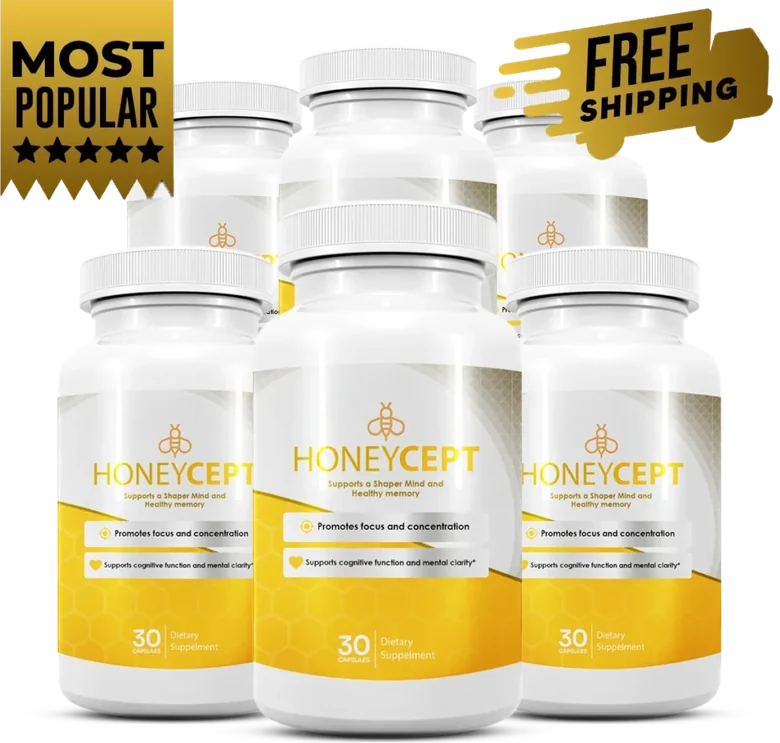
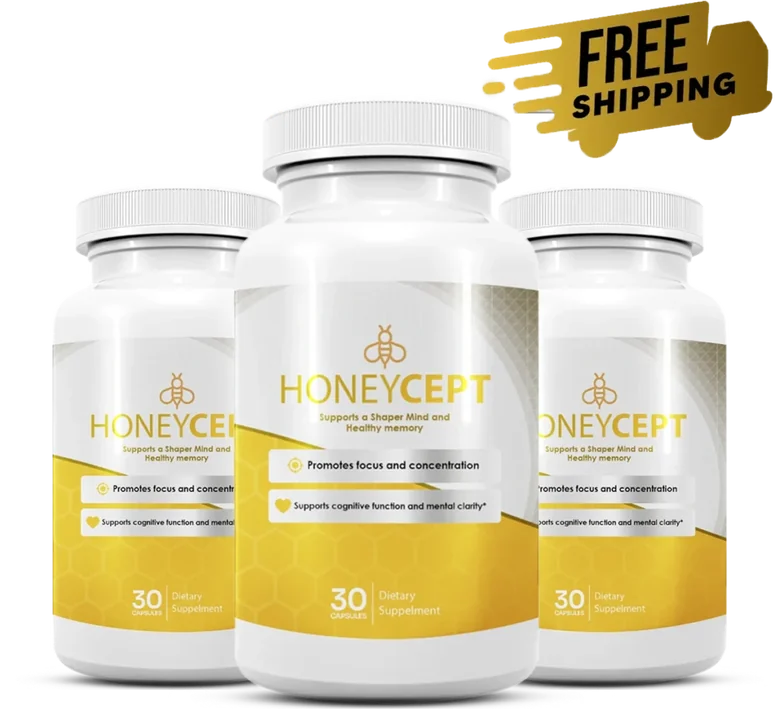
Larger packages bring the per-bottle price down and add free shipping, which is fairly standard for this kind of product.


Three ingredients get their own stated amount. The other seven share one combined number.
Plays a role in turning food into usable energy at the cellular level, and supports normal nerve signal transmission.
Involved in producing brain chemicals like serotonin and dopamine that affect mood and mental clarity.
Supports nerve tissue health, one of the more commonly recommended nutrients for cognitive wellness generally.
The primary source of the formula's stimulant effect; amount per capsule is not broken out separately.
An amino acid the body uses to build dopamine and norepinephrine, sometimes included to support mental performance under pressure.
Chemically related to caffeine, generally described as producing a steadier lift with less of a sudden drop afterward.
A milder stimulant compound, naturally present in cacao, often paired with caffeine to soften its edge.
A long-studied herb tied to memory performance; most research uses it over several weeks rather than as a single dose.
An adaptogenic root associated with resilience against mental fatigue during demanding periods.
A compound that affects the same brain chemistry pathway targeted by certain Alzheimer's medications — a genuine interaction to know about.

Multiple sources point to a 60-day evaluation period. What often gets left out of the marketing copy: getting your money back typically means you cover the cost of shipping bottles back yourself.
That is not unusual for this category, but it is worth budgeting for if a refund path matters to your decision. See our full refund policy notes.
Check Current TermsGeneral wellness support, not medical claims. Individual results vary, and we have no way to verify any specific outcome for you.
Comes from genuine stimulant compounds, not a placebo-style claim.
The Theacrine/Theobromine combination is meant to soften the caffeine crash.
Bacopa Monnieri's benefit case is built on weeks of consistent use, not a single dose.
Rhodiola Rosea's traditional use case is sustained mental demand, like exam periods or heavy workloads.
B6's role in neurotransmitter production touches mood indirectly.
B12 and Huperzine-A both relate to how nerve cells communicate.
No multi-step regimen to remember.
Botanicals and vitamins rather than a purely synthetic stimulant blend.
Most people take it in the morning, given the caffeine content, so it does not interfere with sleep.
May sit better than on an empty stomach for some people.
If you drink coffee too, be aware you're adding to a stimulant load that already includes three compounds.
Especially anything for memory or cognitive conditions, given the Huperzine-A content.
Bacopa and Rhodiola are not going to show up on day one — plan for several weeks before judging that part of the formula.
If a 60-day window applies to your order, mark the date so you don't miss it.
Three B-vitamins with their own stated amounts (B1, B6, B12), plus a combined 151 mg blend covering seven other ingredients: caffeine from green coffee bean, L-Tyrosine, Theacrine, Theobromine, Bacopa Monnieri, Rhodiola Rosea and Huperzine-A. Those seven do not have separate amounts listed.
It contains real caffeine alongside two related compounds, so yes, you should expect an alertness effect. It is not marketed as caffeine-free, and stacking it with your usual coffee may mean more stimulant intake than you intend.
Not without checking with their doctor first. Huperzine-A, one of the seven blended ingredients, works on the same pathway as several prescription Alzheimer's drugs, and combining them can compound the effect. This is a genuine interaction, not a generic caution.
Thirty capsules per bottle, one capsule daily, so each bottle covers roughly a month.
Instituto Experience, based in Lakeland, Florida, is named as the distributor across the sources we checked.
We cannot make that claim for you. The stimulant ingredients have a well-established, immediate effect; the memory-support botanicals (Bacopa, Rhodiola) have research behind them but act more slowly, typically over weeks; and because the blend amounts are not broken out individually, we cannot confirm the formula matches the doses used in that research.
Based on what we could find, orders are structured as one-time purchases rather than recurring subscriptions, but confirm this yourself at checkout since terms can change.
A 60-day window is commonly cited. Note that getting a refund typically means shipping any bottles back yourself, at your own cost — check the current policy before you buy.
Larger bundles bring the per-bottle cost down and ship free.

Orders are placed on the official store checkout.